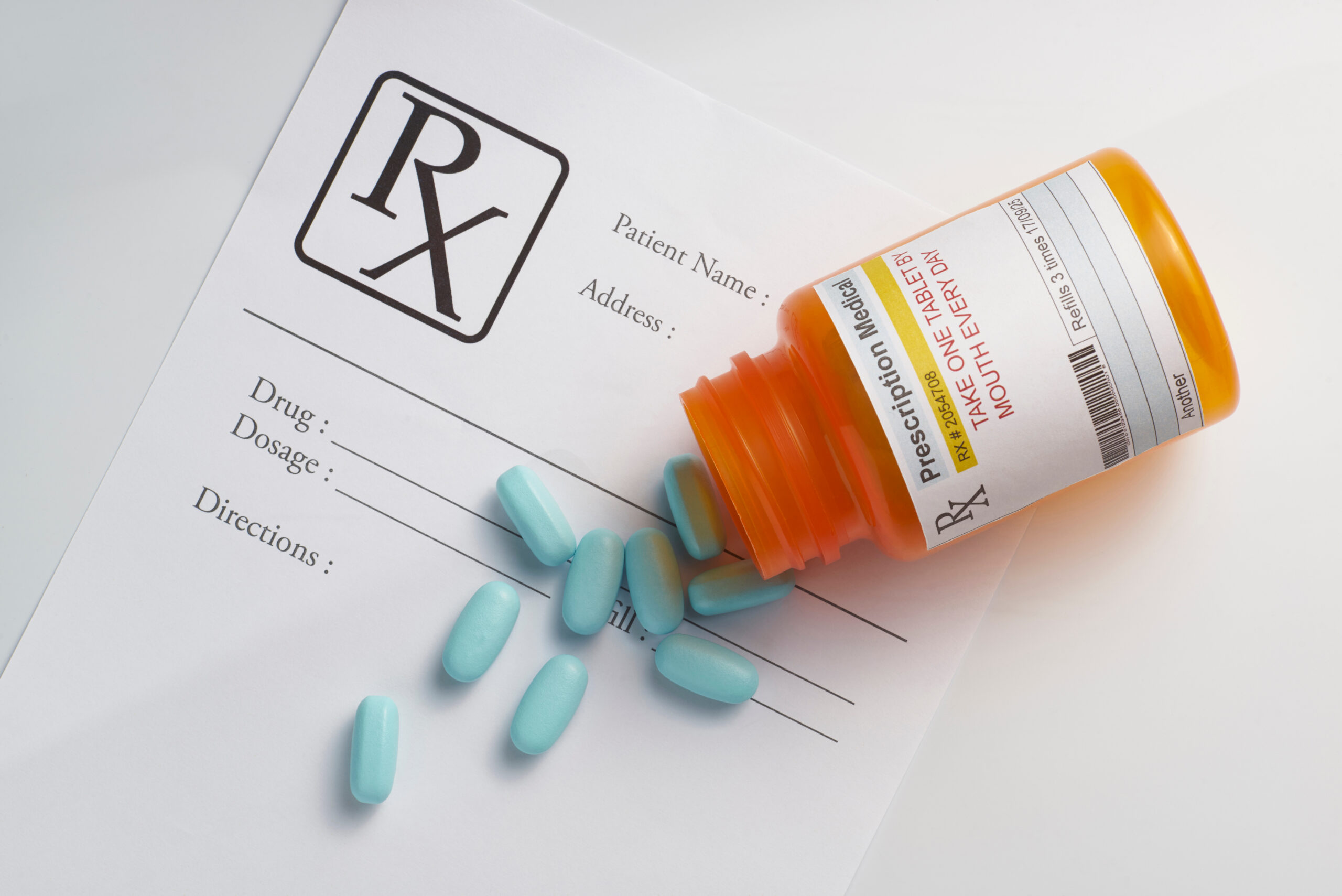
To help dental providers navigate the national opioid crisis, Cigna Healthcare Dental has launched Fighting Prescription Opioid Abuse, an educational series developed exclusively for the Digital Newsroom.
Welcome to the third article of our series, Screening and educating patients. Our goal is to provide you with relevant information that you can incorporate into your daily practice.
Addressing the prescription opioid epidemic with patients
Individuals with a substance use disorder are at higher risk of developing oral health problems, such as dental caries, periodontal disease, and tooth loss. Oral health problems are among the most prevalent health problems associated with drug addiction. Substance abuse has both direct and indirect consequences for oral health, exacerbating oral problems through its adverse effects on the users’ behavior and lifestyle and may make recovery more difficult.
To help you address prescription opioid abuse and engage patients in an open dialogue, here are some helpful tips and reminders:
Prescribing opioids
- Extensive research, including landmark studies and guidelines from the American Dental Association (ADA), demonstrates that Non-Steroidal Anti-Inflammatory Drugs (NSAIDs) like ibuprofen, especially when combined with acetaminophen, are more effective at reducing acute dental and surgical pain than opioids. 1, 2 When opioids are necessary in dentistry, prescribe the lowest effective strength for the shortest appropriate duration to manage acute dental pain.
- Dental pain is largely driven by inflammation and prostaglandin production. NSAIDs directly reduce this inflammation, whereas opioids simply mask the brain’s perception of pain without addressing the underlying cause. 3, 4, 5
- Patients with concurrent opioid prescriptions are at a severely elevated risk for fatal overdose, addiction, and diversion. When prescribed alongside other central nervous system depressants (like benzodiazepines), the risk of respiratory depression and overdose death can increase significantly. With prescribed opioids, patients should be careful to avoid driving, operating machinery, or cooking while the drug is still active.
- Use caution when prescribing long-acting or extended-release opioids, as these formulations carry a higher risk for abuse.
- Certain diseases or disorders, such as depression, kidney disease, liver disease, gastrointestinal disease, or sleep apnea, cause the use of opioids to be contraindicated or to be used with great caution.
Screening for opioid abuse
Oral health providers can easily incorporate behavioral health screening into their patients’ medical histories. Several short, validated screening tools are available on Cigna’s website for Clinical Screening Tools that can be easily added to your practice’s medical history questionnaire. Examples of these publicly available questionnaires are the PHQ-9 (Patient Health Questionnaire-9), which objectifies the degree of depression severity, and the four-question CAGE-AID Substance Abuse Screening Tool to determine if substance abuse exists. If screening indicates your patient needs further evaluation, refer them to their PCP. By recognizing and referring for both medical conditions, as well as behavioral health issues, oral health providers can assist their patients in achieving whole person health- mouth, mind, and body.
Here are additional tips
- If a patient shows signs or symptoms suggestive of being under the influence of opioids or other drugs of abuse, it is appropriate to question them. For more information about talking to patients about sensitive matters, including prescription opioid abuse, review communication techniques available from the National Institute of Health.
- Review The ADA Practical Guide to Substance Use Disorders and Safe Prescribing
- Review the oral health consequences of alcohol and commonly abused drugs and guidelines for the dental professionals.
- All states, as well as the District of Columbia, Puerto Rico, Guam, and the Northern Mariana Islands, track controlled substances through prescription drug monitoring programs (PDMPs) to improve patient safety and prevent prescription drug misuse. PDMPs are online databases that a dentist may use to check if a patient has multiple active opioid prescriptions from other doctors. In addition to addressing abuse, overdose, and diversion, PDMPs can be effective at preventing doctor shopping and even reduce the number of opioids prescribed. Check the Prescription Drug Monitoring Program Training and Technical Assistance Center website for your state’s PDMP.
Educating patients
- The National Institute on Drug Abuse provides a variety of educational materials. Consider incorporating some of their resources into your patient discussions.
- Disposal of unused opioids or other drugs should be performed carefully. Dispose of unused medications at an authorized collection site or mix them with an unpalatable substance, including kitty litter, dirt, or coffee grounds. Once mixed, medications can be placed into a sealable plastic bag and discarded in normal garbage. For more information about disposing of unused prescription medications, visit The American Dental Association’s patient website at MouthHealthy.org.
¹ American Dental Association, “Oral Analgesics for Acute Dental Pain,” accessed July 17, 2026, https://www.ada.org/resources/ada-library/oral-health-topics/oral-analgesics-for-acute-dental-pain.
² Healthgrades, “Nonprescription Painkillers as Effective as Opioids After Tooth Extraction,” accessed July 17, 2026, https://resources.healthgrades.com/pro/nonprescription-painkillers-equal-opioids-tooth-extraction.
³ P. A. Moore et al., “Benefits and Harms Associated with Analgesic Medications Used in the Management of Acute Dental Pain: An Overview of Systematic Reviews,” Journal of the American Dental Association 149, no. 4 (2018): 256–265.e3, https://pmc.ncbi.nlm.nih.gov/articles/PMC7313348/.
⁴ With Power, “NSAIDs vs Opioids,” accessed July 17, 2026, https://www.withpower.com/guides/nsaids-vs-opioids-5664.
⁵ Apollo Pain Center, “From Relief to Recovery: Pain Management Techniques That Help You Heal Without Opioids,” accessed July 17, 2026, https://www.apollopaincenter.com/blog/from-relief-to-recovery-pain-management-techniques-that-help-you-heal-without-opioids/?bp=48338.